Essential Digging Tools for Metal Detecting
Metal detecting can be an exciting hobby, especially for those who love history, geology, and treasure hunting. It can be a great activity for a wide range of people — including older adults to office employees bonding over a team-building exercise.
While it may seem like a simple activity, having the proper metal detector and the right digging tools is essential for successful and efficient metal detecting. While a standard garden shovel may work in most cases, certain artifacts can be fragile and require a more delicate touch, which can be achieved with more precise digging tools.
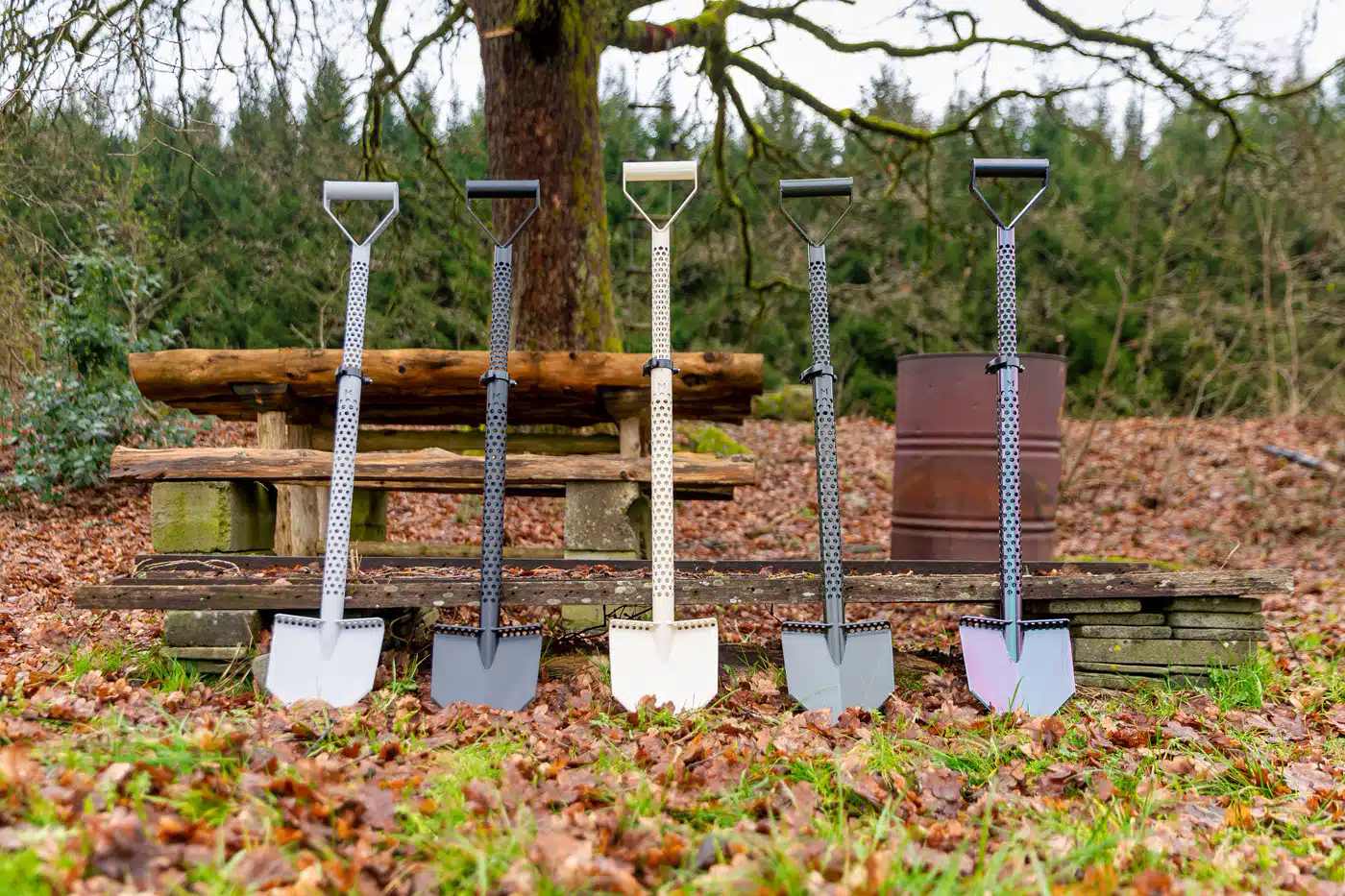
Metal Detecting Shovels
While there are various digging tools, the metal-detecting shovel is perhaps the most crucial tool in a detector enthusiast’s arsenal. Shovels are handy for recovering objects that are deep in the ground.
A shovel can be an excellent companion for a metal detector that has good depth capabilities, as it can dig deep holes quickly and easily, allowing a detector enthusiast can recover larger and heavier objects that would be challenging to unearth with a hand-held digging tool. When choosing a metal-detecting shovel, the following should be considered.
Shovel Weight
When going metal detecting, it’s essential to consider the weight of all equipment, including the shovel. The weight of the shovel can impact the detector enthusiast’s experience, especially during longer outings.
While a heavier shovel may be okay for shorter excursions, a lighter shovel may be better for extended periods of metal detecting, reducing the chances of fatigue and discomfort. In contrast, a heavier shovel can be more challenging to carry over long distances, and it can cause arm and shoulder fatigue.
Blade shape/size
There are several different blade shapes and sizes commonly used in metal-detecting shovels. Understanding each blade and the potential applications and benefits can help detector enthusiasts choose a shovel that will help them recover artifacts more efficiently and effectively:
- Serrated blades: Useful for cutting through tough soil or roots. This blade style can help detector enthusiasts dig through difficult terrain with greater ease, allowing for faster recovery of buried artifacts.
- Narrow blade: This can help when it comes to digging in tight or hard-to-reach areas. This blade style can help detector enthusiasts recover objects from challenging locations with greater precision and accuracy.
- Wide blade: Useful for digging larger holes, such as when trying to recover larger objects or when searching for deeper targets. This blade style can help detector enthusiasts excavate larger areas more quickly and efficiently, improving their chances of finding valuable artifacts.
- Rounded blade: Common and helpful for digging in areas with delicate or fragile objects, such as near a historic site or in an archaeological dig. This blade style reduces the risk of damaging artifacts while excavating, allowing for more careful and precise recovery.
- Square blade: Helps cut through hard-packed soil or clay, as it provides a flat edge for pushing down and cutting through the tough ground. This blade style is ideal for detector enthusiasts who frequently detect areas with dense, compacted soil.
The blade style you choose to work with comes down to what you’re digging and where.
Handle length
When choosing a metal detecting shovel, it’s important to consider the appropriate length based on the person’s height and the terrain they will be encountering. Choosing the right length can impact the detector enthusiast’s comfort, efficiency, and overall experience. There are several factors that are key to consider when choosing the right length:
- Your Height: Consider your height. A taller person will require a longer shovel to avoid stooping and straining their back, while a shorter person will need a shorter shovel for optimal comfort and efficiency.
- Terrain: The type of terrain being detected can also impact the ideal shovel length. A longer shovel may be helpful when detecting on a beach or in an open field, but a shorter shovel may be more maneuverable in tight or cramped spaces.
- Leverage: The length of the shovel will also determine how much leverage is needed when digging. A longer shovel can provide more leverage, making it easier to push down into the ground and lift out the soil. This extra leverage can be helpful when trying to recover heavy or stubborn objects.
- Maneuverability: A shorter shovel can be more maneuverable and easier to control when digging in tight or challenging spaces. This can be especially helpful when trying to recover objects in areas with lots of obstacles or vegetation.
Material
The materials used to make your digging tools should also be a factor when selecting what’s best for you. A metal detecting tool should be durable and made from materials like stainless or tempered steel. It’s best to look for handles made from fiberglass or aluminum, which are lightweight and strong.
You should also make sure the material is comfortable too. Some digging tools come with padded handles, which can provide a more comfortable grip and reduce hand fatigue during extended use. Mental handles, on the other hand, can become uncomfortably hot or cold in extreme temperatures.
Choosing the Right Metal Detector Digging Tool
In addition to shovels, a few other digging tools exist that metal detector enthusiasts opt to use. Alternative tools like trowels, sand scoops, picks, and diggers offer unique benefits and can be useful in different circumstances.
Note the choice of digging tool will depend on what you’re looking for and where. Detector enthusiasts who traverse in hard-packed soil, for example, may prefer a heavy-duty shovel with a serrated blade, while those who enjoy detecting in tight spaces or delicate areas may opt for a trowel or handheld scoop. By considering their specific needs and preferences, detector enthusiasts can choose the right digging tool to improve their efficiency and accuracy when hunting for buried artifacts.
Trowel
A trowel is a small handheld tool with a pointed blade that is ideal for digging in tight spaces or delicate areas. They can be used for precision digging, as well as scraping soil away from objects near the surface to avoid damage.
Sand Scoop
A sand scoop is a specialized digging tool designed for metal detecting on beaches or other sandy areas. They’re typically made of lightweight, durable materials like aluminum or stainless steel. Sand scoops have a blade with small holes or slots along the bottom that allow sand and small debris to sift through while retaining larger objects such as coins, jewelry, or other metal artifacts.
Picks
Picks are commonly used to recover buried objects from soil, rocks, or other hard surfaces. It typically has a long handle made of wood, fiberglass, or metal, with a pointed or flat blade on one end. Picks can be used to break up hard soil or rocky ground to make it easier to dig with a shovel or other digging tool. The pointed blade of the pick can also be used to loosen rocks or debris that may be obstructing a buried object, making it easier to access and recover the object.
Diggers
In addition to shovels and picks, there are a variety of digger tools that can be used for more precise digging. For example, trowels are small, handheld tools with pointed blades ideal for digging precise holes. Detector enthusiasts can use these tools in softer soils, or whenever they need to remove small rocks or roots that may be in the way.
Then there are Lesche diggers which are small, handheld digging tools that are specifically designed for metal detecting in small, precise holes in hard-packed clay, sand, and gravel. Some digging tools feature serrated edges, which can be useful for cutting through tough roots or compacted soil.
Maintaining and Storing Digging Tools
Digging tools, especially high-quality ones, can be a significant investment for metal detector enthusiasts. As such, a responsible detector enthusiast should properly maintain and store their tools if they’re to be used effectively for years to come.
Cleaning
After using your digging tools, clean them thoroughly to remove any dirt, mud, or debris. You can do this with a garden hose or a bucket of water — depending on the tool and how dirty it is. Doing so can extend the lifespan of your tools.
Sharpening
Over time, the blades on your digging tools can become dull or damaged. To maintain their effectiveness, be sure to sharpen them regularly using a sharpening stone or other sharpening tool.
Storage
When you’re not using them, store your digging tools in a dry, secure location. This will help prevent rust and other forms of damage, as well as protect them from theft or loss.


